Every organization faces the same cybersecurity challenge:
More vulnerabilities.
More threats.
More security tools.
More data.
Yet many security teams still struggle with the fundamentals:
- Where are our assets?
- Which vulnerabilities actually matter?
- What indicators of compromise are active?
- How do we track incidents?
- Who owns the response?
- What happened and when?
ZEPSEC was built to explore a different approach:
A centralized security operations platform that brings threat intelligence, vulnerability management, incident response, and security knowledge together in one system.
A Security Command Center for Organizations
At its core, ZEPSEC is designed as a security management platform.
It helps organizations organize their security operations around the things that matter most:
- People
- Infrastructure
- Threats
- Vulnerabilities
- Incidents
- Knowledge
Instead of treating every security event as an isolated alert, ZEPSEC creates a connected picture of an organization’s security posture.
Managing the Security Organization
Security does not happen in a vacuum.
A mature security program requires understanding:
- Which organization owns a system
- Which users are responsible
- Which agreements exist
- Which teams need notifications
ZEPSEC includes organization and user management capabilities to help security teams maintain this operational context.
Incident Response and Investigation
When an incident occurs, speed and organization matter.
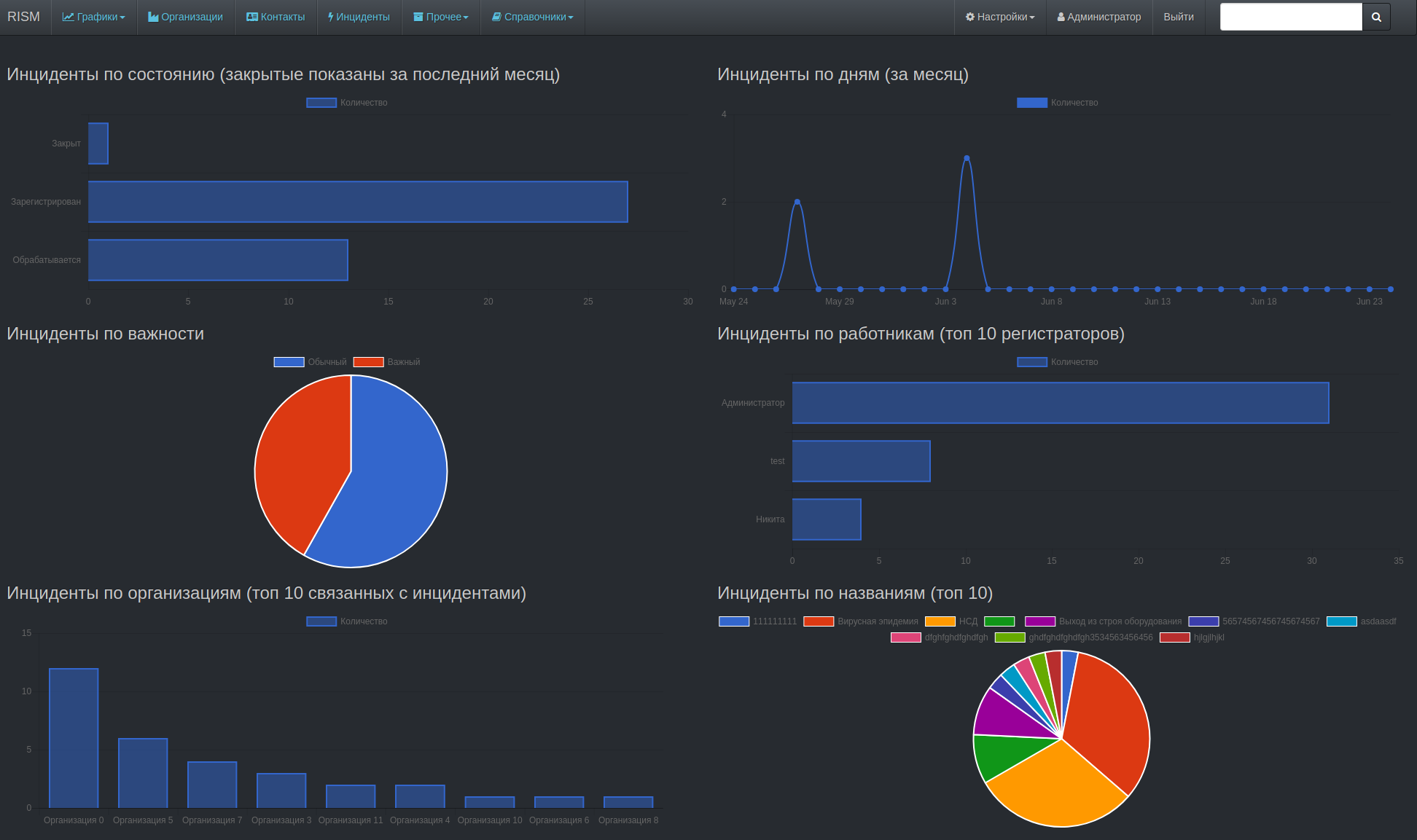
ZEPSEC provides incident tracking capabilities for documenting and managing security events.
Security teams can record:
- Incident details
- Related indicators of compromise
- Investigation information
- Response activities
The goal is to transform incident response from scattered notes and chat messages into a structured workflow.
Threat Intelligence and Indicators of Compromise
Modern security operations depend heavily on threat intelligence.
An Indicator of Compromise (IoC) can include:
- Malicious IP addresses
- Domains
- Hashes
- URLs
- Other suspicious artifacts
ZEPSEC allows security professionals to:
- Manually add IoCs during investigations
- Enrich indicators automatically
- Share IoC data through APIs
This creates a central intelligence layer that can feed other security tools.
Vulnerability Management With Context
A vulnerability database can contain thousands of issues.
The challenge is determining what actually matters.
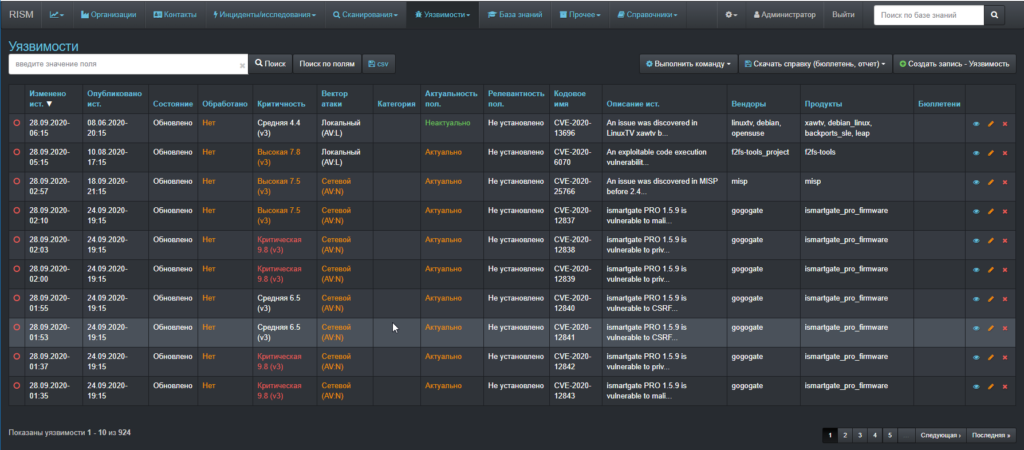
ZEPSEC integrates vulnerability information from the National Vulnerability Database (NVD) and allows organizations to enrich vulnerabilities with custom attributes.
This enables teams to move beyond:
“A vulnerability exists.”
toward:
“This vulnerability affects this system, owned by this team, with this level of risk.”
Context is what turns vulnerability data into actionable security decisions.
Security Scanning Built In
Security visibility starts with knowing what is exposed.
ZEPSEC includes scanning capabilities:
- Port scanning from ZEPSEC infrastructure
- Remote agents for distributed environments
This allows organizations to identify services and infrastructure that may require attention.
For distributed companies, remote agents provide flexibility for scanning environments that are not directly accessible.
A Security Knowledge Base
Security teams accumulate valuable knowledge:
- Investigation procedures
- Internal standards
- Incident lessons learned
- Security guidance
ZEPSEC includes a centralized knowledge base to preserve that information.
A security program becomes stronger when knowledge survives beyond individual employees.
Automation Through Alerts and APIs
Security operations generate constant activity.
ZEPSEC includes automated notifications for:
- New indicators of compromise
- Vulnerability updates
- Knowledge base changes
It also provides REST API integration, allowing security data to move into the broader security ecosystem.
The goal is not to replace every security tool.
The goal is to connect them.
The Open Source Security Model
One interesting aspect of ZEPSEC is its approach to distribution.
The open-source version provides a foundation for security professionals who want to explore and operate the platform themselves.
A commercial version can provide additional features, support, and enhancements.
This follows a proven open-source security model:
- Community adoption
- Professional usage
- Enterprise support
Why Security Platforms Matter
Cybersecurity has traditionally been fragmented.
Organizations often deploy separate tools for:
- Vulnerability scanning
- Threat intelligence
- Incident response
- Asset tracking
- Documentation
The result can be a collection of disconnected dashboards.
ZEPSEC explores a unified approach:
One place where security teams can understand their environment.
One place where incidents become knowledge.
One place where intelligence becomes action.
Building the Future of Security Operations
The future of cybersecurity is not just about detecting more threats.
It is about building systems that help humans make better decisions.
Security professionals need platforms that reduce noise, preserve knowledge, and connect information across the organization.
ZEPSEC represents that vision:
A security operations platform designed around the workflows that defenders actually need.
Because the best security tool is not the one with the most alerts.
It is the one that helps teams respond intelligently.
Clone it at https://github.com/peteralcock/ZEPSEC
Security teams don’t need more alerts. They need better systems.
Leave a Reply